
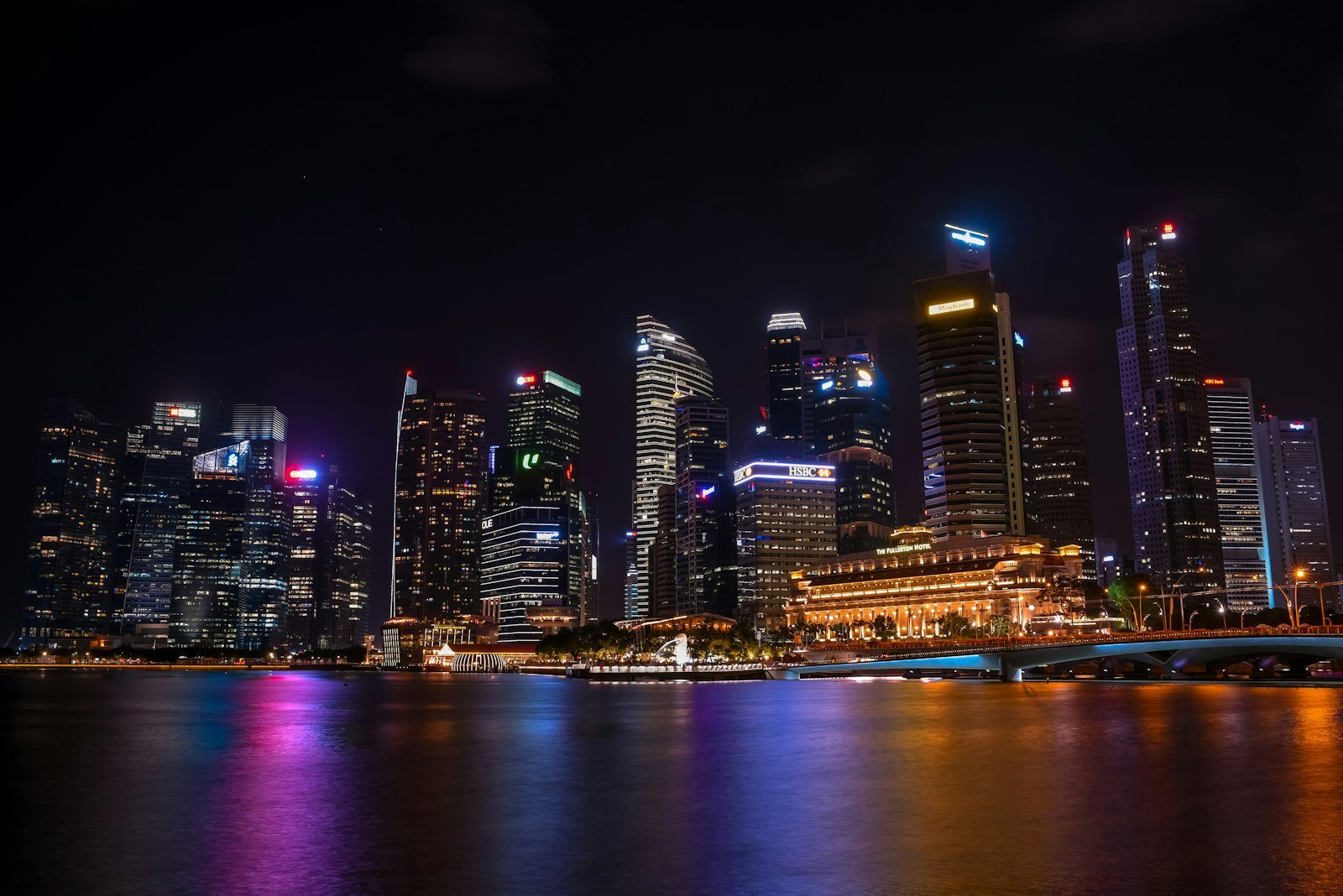
Forex is a global over-the-counter market, so activity moves across regional dealing hours rather than following one single exchange bell. Singapore and other Asian financial centres are part of a market that also responds to developments in Europe and North America.
Think in time zones, not fixed promises
Singapore uses Singapore Time (SGT, UTC+8). Other financial centres may observe daylight-saving changes, so the local time of overlapping activity can shift during the year. Public holidays, unexpected news and provider schedules also affect trading conditions. Check a current economic calendar and your broker’s own market hours instead of relying on a static session graphic.
Liquidity and spreads can change
Trading activity is not evenly distributed throughout the day. Liquidity and spreads can change by currency pair, time, news event and market conditions. A chart that looks calm in one period can move quickly after a policy announcement or unexpected data release.
Build a routine around information
- Check the publication time and source of economic data.
- Confirm time zones and holiday schedules.
- Read the provider’s execution, margin and financing terms.
- Separate a market explanation from a personal recommendation.
- Check local regulatory information before opening an account or transferring funds.
These points are educational. They do not identify a “best” session or tell a reader when to trade.
Reviewed October 21, 2026 · Full risk disclosure